|
Therapeutic Climbing at varied venues in the U.K.
Therapeutic climbing can be enjoyed as individuals or in a group; to let off steam,build confidence, focus and give time to the psychological and environmental aspects of climbing. The warm up and cool down always has a place, as does discussion for learning climbing technique, safety, building physical and emotional strength and flexibility. Climbing sessions are with Lee Anna Simmons, climbing instructor (RCI, CWA,CWDI reg 255531) and psychological therapist Health Professions Council therapist (AS14187). Booking: Please get in touch with questions, for the schedule and locations. Email: [email protected] |
|
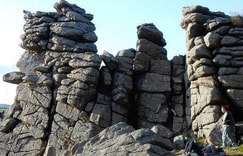
BoulderingLearn climbing movement and build technique and strength without ropes, close to the ground as a small team.
|
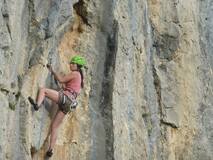
Rope ClimbingRope climbing with learning around technique and safety, top rope, belaying and lead climbing (lead is indoor only), knots, climbing terminology and psychological factors.
|
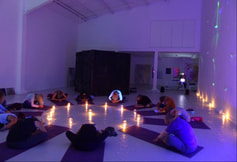
OnenessSpecialised climbing warm ups and cool downs to avoid injury and with influence from yoga and martial arts for mindfulness.
|
|
Therapeutic Climbing Sessions
These sessions are to enjoy climbing together, learn the ropes, the lingo and be at one with our internal and external environment. Bespoke sessions begin and close with discussion and exercises influenced by yoga, martial arts and climbing. |
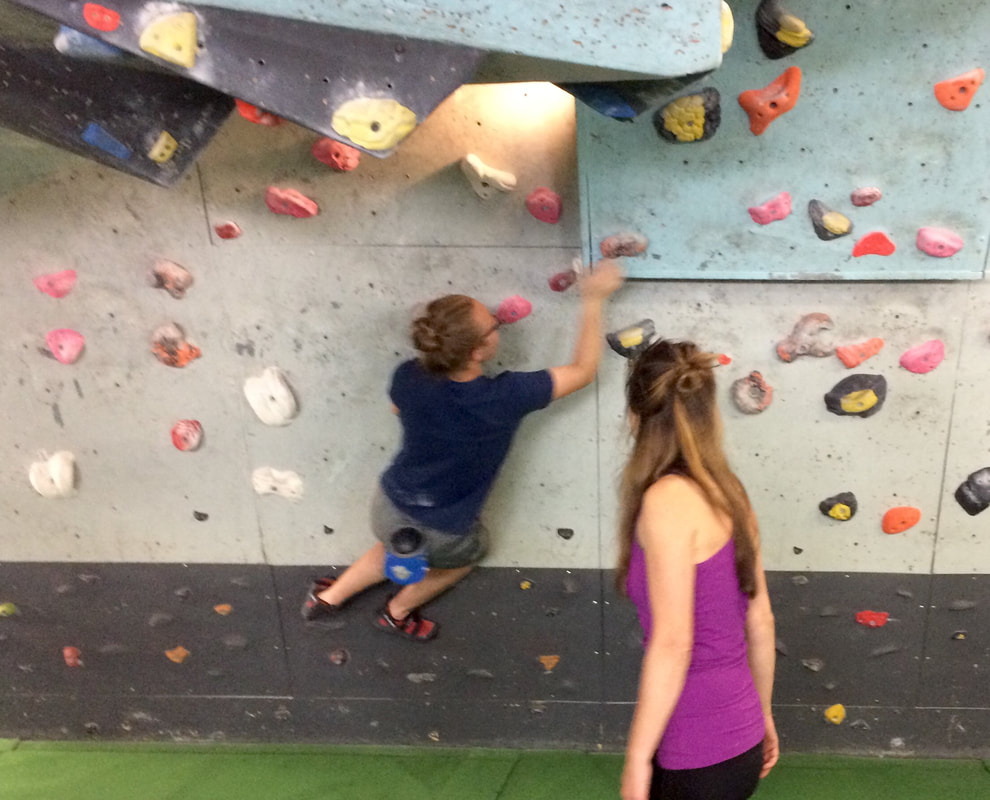
Images are from climbing sessions and events linked to Lee and SA&T
TestimonialsI was fortunate enough to spend a day visiting and observing Lee Simmons in November 2019 at the Reach Climbing Centre. During this time we discussed Lee’s therapy work and how climbing is becoming integrated into this. We spent the afternoon with one of her clients climbing, during which time I was able to see how Lee is able to combine climbing and her therapy work. Not only did her client have a thoroughly enjoyable session, but it was also clear to see how the climbing was also benefiting them.
David Giles, Mountain Leader, Research Fellow, Health and Social Care Research Centre, Derby |
Lee is a confident climber with the necessary skills and qualifications to teach climbing. She is easy to get on with and has a very composed and professional approach. She is friendly, approachable, and supportive and develops a great rapport with the people she climbs with. All these skills translate into a great instructor. I have climbed many times with Lee, leading, top-roping, bouldering and deep water soloing.
Emma Harrington, Climbing Wall Instructor Southern Sandstone Climbs, Kent |
Over the last year I have witnessed Lee helping multiple clients develop their skills and confidence whilst maintaining a safe and pleasant indoor climbing experience. Her attention to detail for the safety of her participants is top rate and her clients seem to genuinely bond with her.
Ben Leaver, Climbing Wall Instructor The Reach Climbing Centre, London These references were all kindly given in 2019 on the Mountain Training Website (DLOG) www.socialarttherapy.com/climbing
|
You can download a flyer here: climbing_flyer.pdf
'Climbing can be a powerful mindfulness practice, encouraging people to stay present in their bodies and connected to the moment through breath and movement. Using climbing as a focus, we explore how it feels to move with intention—tuning into the rhythm of breathing while shifting on the wall. It’s not about performance or appearance, but rather about valuing the body for what it can do. There’s a deep satisfaction in feeling strong, stretching toward a hold, and noticing the sensations of effort and balance.
Being visible on the wall—especially knowing others might be watching—can be a huge emotional step for many clients. The willingness to fall, to be seen, and to try again creates real vulnerability. For some, that openness is transformative. We use the concept of comfort zone, stretch zone, and panic zone to track anxiety and build tolerance for challenge. By gradually working through these zones while climbing, clients often find they’re more able to manage anxiety in everyday situations—like walking outside alone or navigating public transport.
Sessions often open space for meaningful therapeutic conversation. Without the pressure of eye contact, bouldering creates a natural setting for clients to share openly. One young person spoke about gaming addiction while on the wall, which led us to think about climbing as a kind of “walk-in game”—one that connects more to the body and sleep rhythms. These moments help us explore the real-life impact of habits and how to develop healthier ways of looking after mental and physical wellbeing.
Each session is grounded in mindful warm-ups and cool-downs. I use yoga poses like Child’s Pose and gentle breathwork from both yoga and Qigong traditions to support stress regulation. These tools are also offered as resources clients can use beyond the climbing wall. At key moments, we pause to recognise personal achievements—moments of joy, strength, or confidence—and anchor those with bilateral stimulation and a chosen word. This EMDR-based technique helps clients access those feelings later, both during therapy and in their everyday lives.
While much of our work is focused on bouldering, I also take clients rope climbing. Trusting another person with the rope introduces a powerful element of cooperation and confidence-building. For others, the auto-belay system offers a manageable way to experience the challenge of being high up while learning to trust their body and its capabilities. These embodied experiences often lead to profound emotional growth that clients carry with them long after the session ends.'
Social Art Therapy sessions incorporate climbing to EMDR and Art Therapy intensives, whereby therapy can be held in a maximum of one week long and minimum of half day blocks of time to process specific trauma or work on particular aims. 15th June 2025
Being visible on the wall—especially knowing others might be watching—can be a huge emotional step for many clients. The willingness to fall, to be seen, and to try again creates real vulnerability. For some, that openness is transformative. We use the concept of comfort zone, stretch zone, and panic zone to track anxiety and build tolerance for challenge. By gradually working through these zones while climbing, clients often find they’re more able to manage anxiety in everyday situations—like walking outside alone or navigating public transport.
Sessions often open space for meaningful therapeutic conversation. Without the pressure of eye contact, bouldering creates a natural setting for clients to share openly. One young person spoke about gaming addiction while on the wall, which led us to think about climbing as a kind of “walk-in game”—one that connects more to the body and sleep rhythms. These moments help us explore the real-life impact of habits and how to develop healthier ways of looking after mental and physical wellbeing.
Each session is grounded in mindful warm-ups and cool-downs. I use yoga poses like Child’s Pose and gentle breathwork from both yoga and Qigong traditions to support stress regulation. These tools are also offered as resources clients can use beyond the climbing wall. At key moments, we pause to recognise personal achievements—moments of joy, strength, or confidence—and anchor those with bilateral stimulation and a chosen word. This EMDR-based technique helps clients access those feelings later, both during therapy and in their everyday lives.
While much of our work is focused on bouldering, I also take clients rope climbing. Trusting another person with the rope introduces a powerful element of cooperation and confidence-building. For others, the auto-belay system offers a manageable way to experience the challenge of being high up while learning to trust their body and its capabilities. These embodied experiences often lead to profound emotional growth that clients carry with them long after the session ends.'
Social Art Therapy sessions incorporate climbing to EMDR and Art Therapy intensives, whereby therapy can be held in a maximum of one week long and minimum of half day blocks of time to process specific trauma or work on particular aims. 15th June 2025